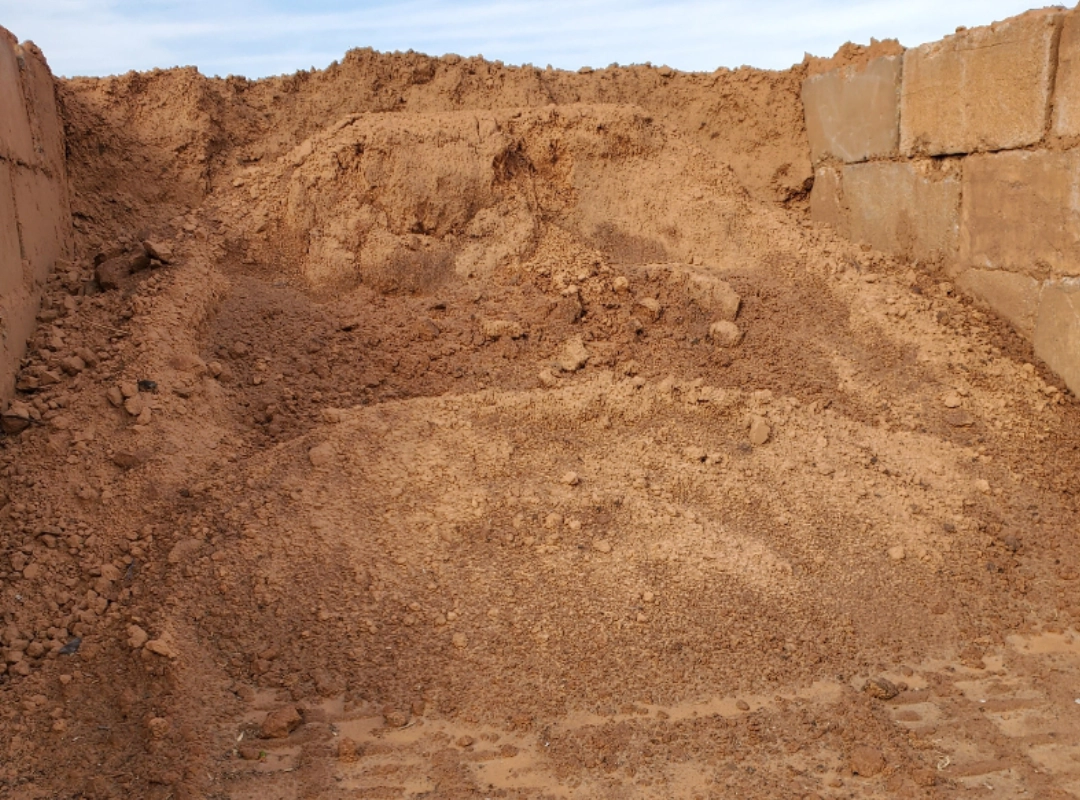
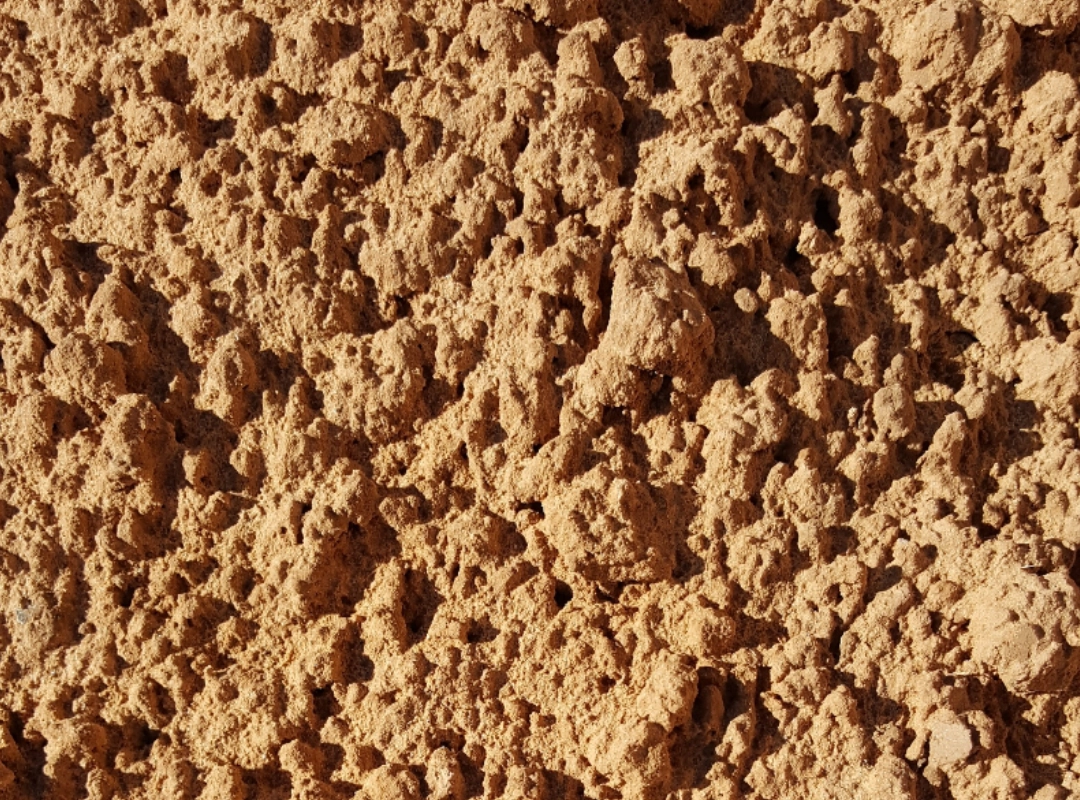
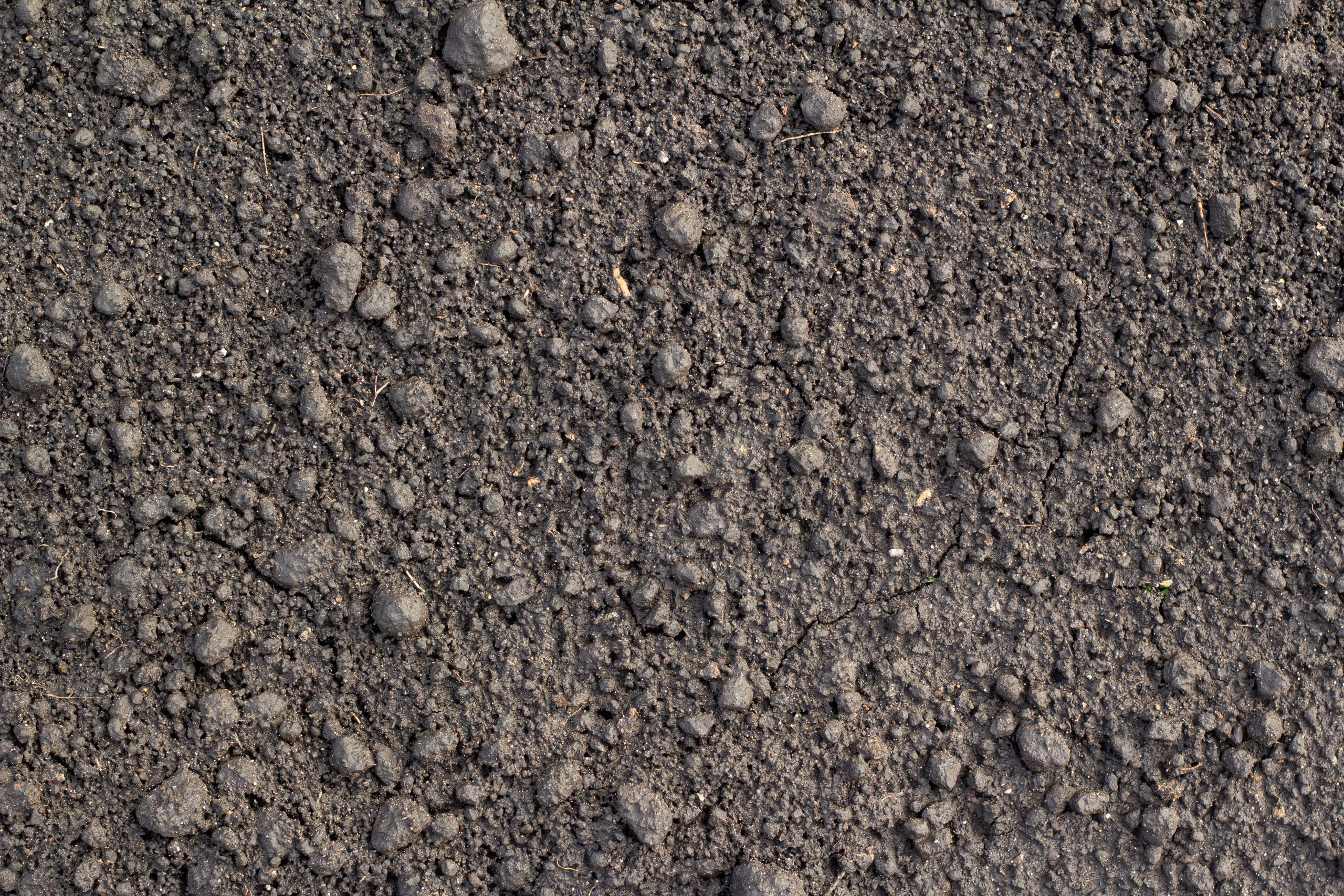
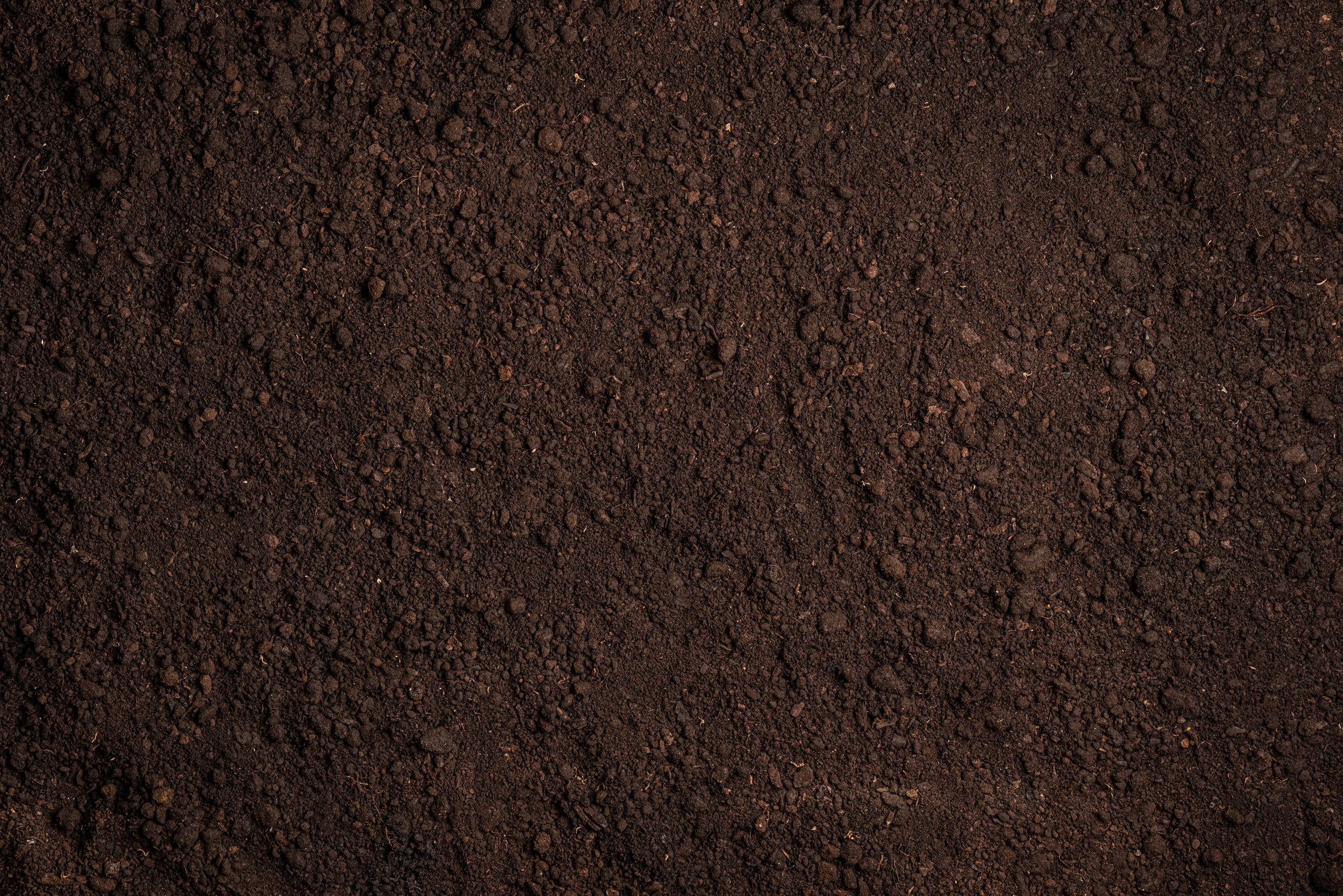
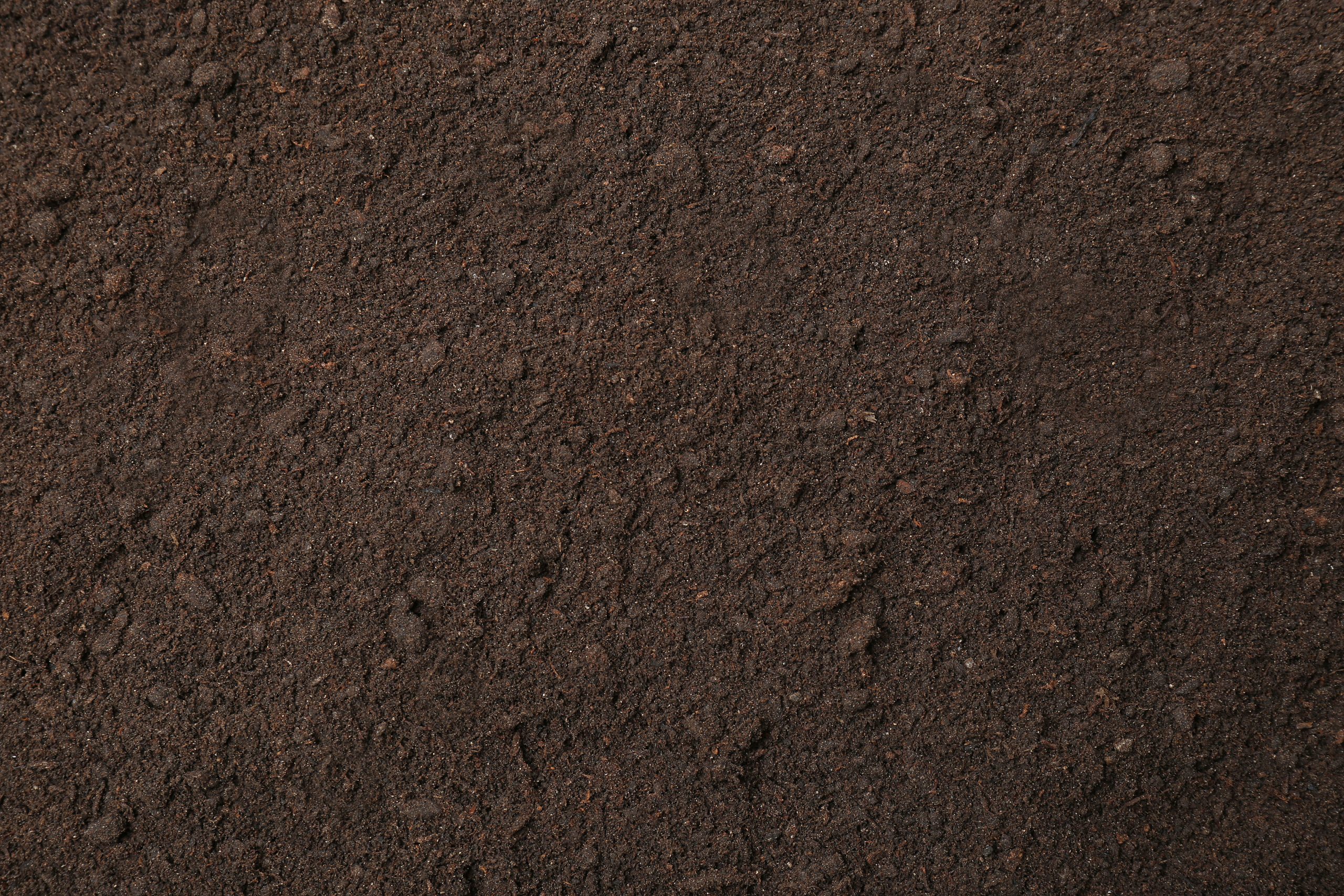
Top Soil
Is top soil curial?
Top soil is a crucial component of any healthy garden or landscape. It is the uppermost layer of soil, typically composed of organic matter, clay, silt, and sand. This layer is rich in nutrients, providing essential elements for plant growth. In this article, we will explore the importance of top soil, how to maintain its quality, and the methods to improve it for optimal gardening success. Additionally, we will discuss various types of top soil, their characteristics, and how they can be used in different gardening applications. Understanding the role of top soil not only enhances your gardening experience but also contributes to environmental sustainability.
What does top soil consist of?
To begin with, let’s delve into the composition of top soil. It generally consists of about 5% organic matter, which includes decomposed plant and animal material. This organic matter is crucial for ensuring that the soil retains moisture and provides nutrients to plants. In addition to organic matter, top soil contains minerals and microorganisms that further enrich its quality. These elements work together to create a fertile environment for roots to thrive, enabling plants to grow healthy and strong.
The importance of top soil
When considering the importance of top soil, one cannot overlook its role in water retention. The structure of top soil allows it to absorb and hold water efficiently. This means that during dry spells, plants have access to the moisture they need to survive. Furthermore, the presence of organic matter improves the soil’s ability to hold nutrients, minimizing the need for chemical fertilizers, which can be harmful to the environment. By investing in high-quality top soil, gardeners can reduce their dependence on synthetic products, promoting a healthier ecosystem.
Another key aspect of top soil is its ability to support biodiversity. The organisms found within this layer, including earthworms, bacteria, and fungi, play a vital role in breaking down organic matter, resulting in nutrient-rich humus. This process not only enhances soil fertility but also improves soil structure, leading to better aeration and drainage. Healthy top soil is indicative of a thriving ecosystem, making it essential for sustainable gardening practices.
Maintaining top soil
Next, let’s discuss how to maintain the quality of top soil. Regular testing is one way to assess its nutrient levels and pH balance. Gardeners can utilize soil testing kits available at garden centers or consult with local agricultural extensions for professional assistance. Based on the results, amendments can be made, such as adding compost or specific fertilizers, to ensure that the soil remains in optimal condition.
To improve top soil, one effective method is through mulching. Adding a layer of organic mulch, such as wood chips or straw, acts as a protective barrier, retaining moisture and suppressing weeds. As the mulch decomposes, it also adds additional organic matter to the soil, further enriching it. This practice not only benefits the top soil but also enhances the overall aesthetic of the garden.
Furthermore, crop rotation is a technique that can positively impact top soil health. By alternating the types of plants grown in specific areas, gardeners can prevent nutrient depletion and reduce the risk of pests and diseases. This method encourages a diverse ecosystem in the soil, promoting beneficial microorganisms that contribute to the fertility of the top soil.
In addition to these practices, it is essential to understand the different types of top soil available on the market. For instance, sandy top soil is ideal for drainage, making it suitable for plants that require less water. On the other hand, clay-rich top soil retains moisture well, benefiting plants that thrive in wetter conditions. Recognizing the specific needs of your plants will guide you in choosing the right type of top soil for your garden.
The right top soil leads to success
In conclusion, top soil is an indispensable element of successful gardening, providing the foundation for plant health and growth. By understanding its composition, maintaining its quality, and implementing beneficial practices, gardeners can create a thriving landscape. Whether you’re starting a new garden or improving an existing one, prioritizing top soil will lead to more fruitful and sustainable gardening outcomes. Remember, investing time and effort into your top soil is an investment in the future of your garden.
About Our Top Soil
Our top soil is some of the finest around and is a crucial component for healthy plant growth and provides nutrients, organic matter, and a suitable environment for plant roots.
Maintaining the health of topsoil is also essential for sustainable agriculture and ecosystem health. That is why at Longo Landscape we use and sell only the best top soil.
Key Characteristics and Functions of our Topsoil
- Nutrient-Rich
- Microbial Activity
- Root Support
- Water Retention
- Erosion Prevention
- Organic Matter
- Fertility
In Conclusion
Maintaining the health of topsoil is essential for sustainable agriculture and ecosystem health.